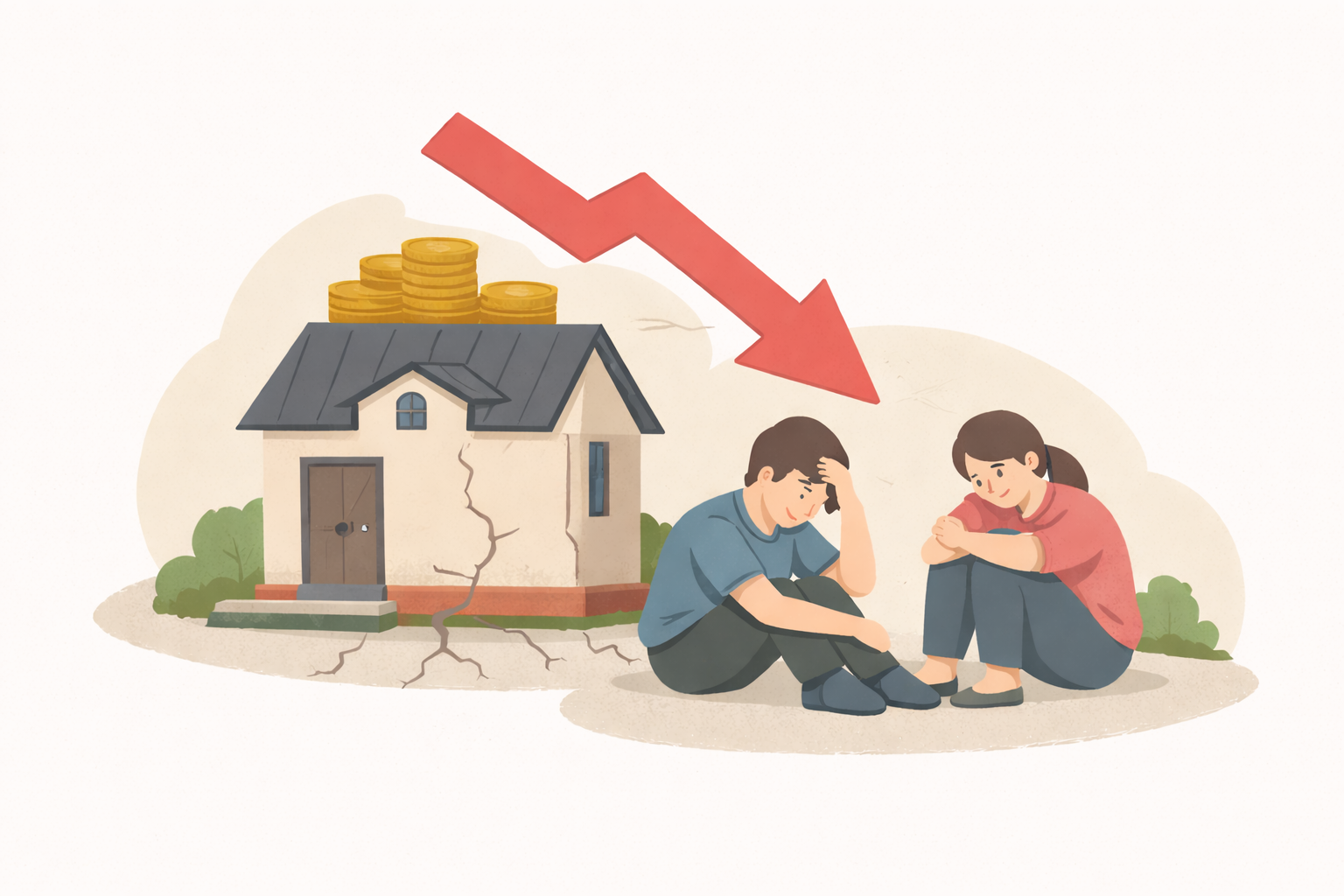
According to Tokyo Shoko Research, the number of bankruptcies among home-visit care providers reached 85 between January and November 2025, surpassing the total for the previous year and marking a third consecutive year of record highs. In addition to a shortage of care workers, the reduction in base reimbursement rates for home-visit care under the FY2024 long-term care fee revision has placed significant pressure on the management of small- and medium-sized providers.
Many bankruptcies are attributed to declining revenues caused by reduced reimbursement rates and a decrease in service users, with total liabilities also increasing compared to the same period of the previous year. While home-visit care is a foundational service that supports the daily lives of elderly people living at home, it faces structural challenges, including difficulty in securing personnel and high sensitivity to reimbursement revisions. Although the government has introduced support measures such as wage increases and improvements to working conditions for care workers, the operating environment for providers remains severe.
The recent rise in bankruptcies highlights not only the problems faced by individual operators but also broader challenges regarding how to sustain and rebuild the providers of in-home care within local communities.
NPMI observes that in the home-care sector, many small-scale providers lack the capacity to pursue medium- to long-term initiatives aimed at workforce retention and operational efficiency, making the fragmented industry structure a constraint on sustainability. Strengthening management foundations and promoting business restructuring cannot be achieved through on-site efforts alone; involvement from both capital and management perspectives is essential. Long-term care is a sector characterized by complex interactions among institutional systems, regional characteristics, and workforce dynamics, making standardized approaches ineffective. NPMI will invest in this sector and, taking a proactive leadership role, will engage in the development and restructuring of regional healthcare infrastructure.
References
- https://www.nikkei.com/article/DGXZQOUA030J50T01C25A2000000/
- https://www.tsr-net.co.jp/data/detail/1202048_1527.html
- https://www.joint-kaigo.com/articles/42251/
【Glossary: Long-Term Care Fee Revisions】
Long-term care fee revisions are a mechanism under Japan’s long-term care insurance system through which the government reviews the reimbursement levels and allocation of payments received by care service providers. These fees constitute the revenue of care facilities. In principle, users pay 10% of the cost, while the remainder is financed through insurance premiums paid by individuals aged 40 and over, as well as national and local government funds.
Revisions to long-term care fees are generally conducted once every three years. In recent years, revision rates have remained modestly positive: +0.54% in FY2018, +0.70% in FY2021, and an overall +1.59% in FY2024. However, the FY2024 revision included a reduction in base reimbursement rates for home-visit care, which had a significant impact on providers.
Against the backdrop of labor shortages and rising prices, an extraordinary revision is scheduled for FY2026, with a revision rate of +2.03%. Of this, 1.95% will be allocated to improving the compensation of care workers, with a policy to raise monthly wages by up to ¥19,000 starting in June 2026. Prior to this, wage support measures will also be implemented from December 2025 through May 2026 using a supplementary FY2025 budget. Specific service prices will be determined through deliberations by councils under the Ministry of Health, Labor and Welfare.
References