In a significant move to improve work-life balance, Japan has passed amendments to its Child Care and Family Care Leave Law. This new legislation, approved by the upper house of the Diet on the 24th, introduces several key changes aimed at making it easier for employees to balance their work responsibilities with childcare and eldercare duties.
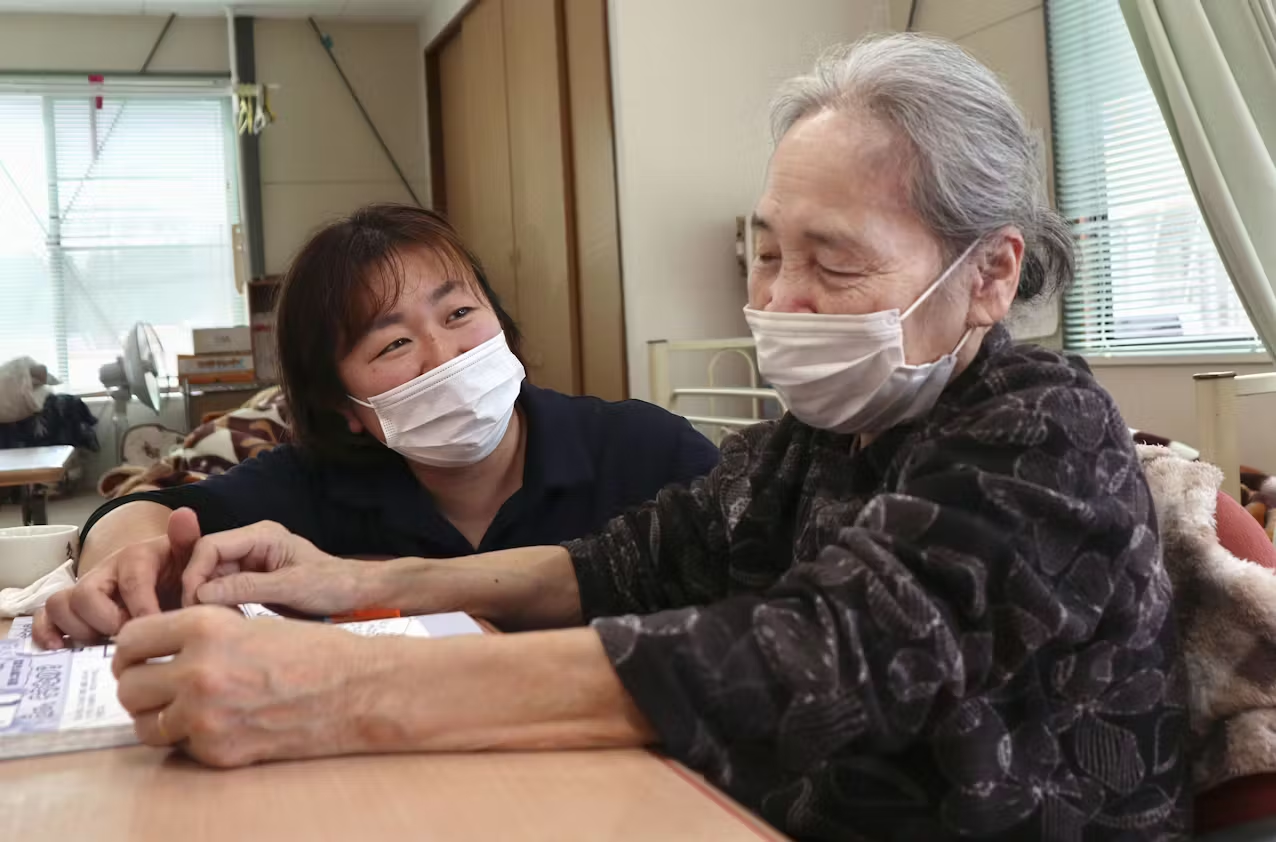
One of the most notable aspects of the law is the requirement for all companies to explain leave policies to employees who need to care for family members. Employers must now inform these workers about available care leave options and confirm their intentions regarding the use of these benefits. This measure aims to increase awareness and utilization of existing support systems.
Interestingly, this legislative change comes against the backdrop of Japan’s historically low annual leave utilization rates. On average, Japanese workers are entitled to 17.6 days of annual leave, but only take 10.3 days, resulting in a usage rate of 58.3%. This places Japan at the bottom of the list among 11 global regions surveyed for vacation time usage. However, it’s worth noting that there has been some improvement, with the utilization rate reaching 60% in 2021, the highest level in 11 years of surveys.
The new law also mandates that companies provide information about care leave policies to all employees when they turn 40, coinciding with the age at which individuals start paying long-term care insurance premiums. This proactive approach aims to prepare workers for potential future caregiving responsibilities. Additionally, the legislation encourages the adoption of telework options.
To promote male participation in childcare and household duties, the law expands the requirement for publishing paternity leave uptake rates. Previously applicable to companies with over 1,001 employees, this obligation now extends to firms with more than 301 workers. Companies with over 101 employees must now publish targets for paternity leave uptake.
The law also encourages companies to implement telework options for employees with children under three years old, recognizing the challenges of balancing work and childcare in the early years of a child’s life.
For foreign investors, these legislative changes signal Japan’s commitment to addressing long-standing issues around work-life balance and gender equality in the workplace. The measures could lead to increased productivity and job satisfaction, potentially making Japanese companies more attractive to both domestic and international talent.
The new policies are set to be implemented gradually from April 2025. As these changes take effect, they may contribute to shifting Japan’s work culture towards one that more readily embraces work-life balance, potentially bringing Japan more in line with global norms for leave utilization and family-friendly workplace policies.